Marathon Is a Heist Game, Actually

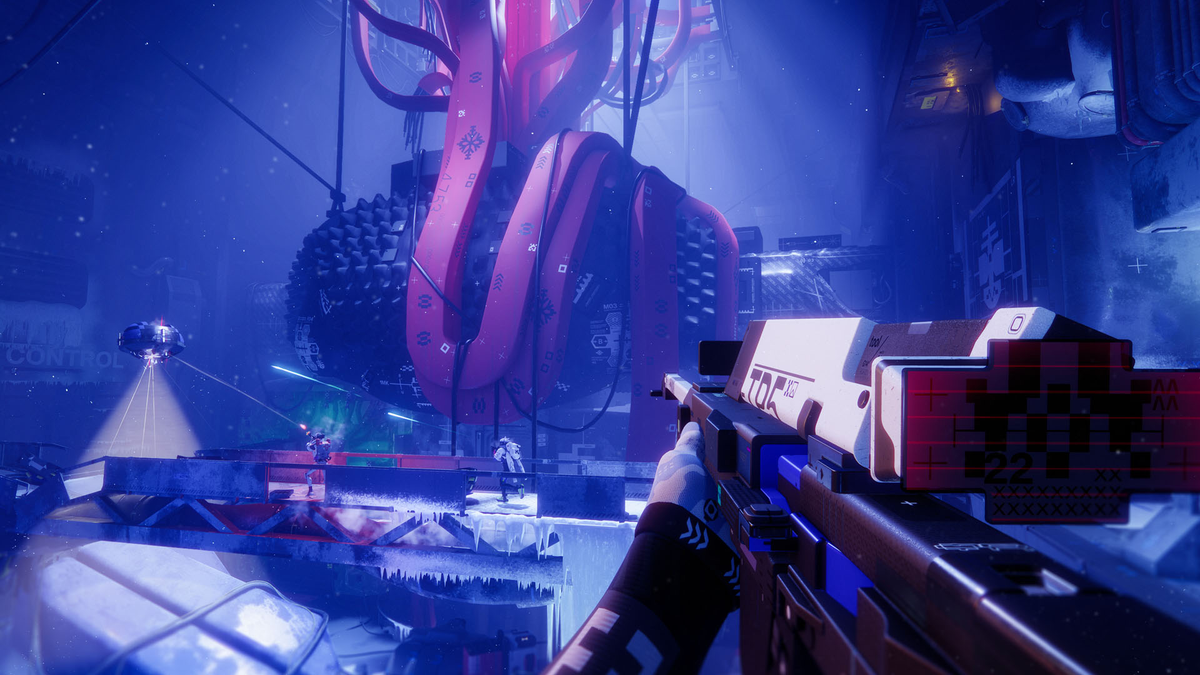
True to Bungie's promise, the end-game map makes the game click.
It's taken us a few weeks, but my buddies and I finally earned our way into Marathon's end-game raid map, the Cryo Archive. Our first forays—unspoiled by guides or streamers—have been pitiful.
On attempt one, we somehow locked ourselves behind a laser barrier in a room another team very much wanted to access. As they hurled taunts our way from the other side of the wall, we patiently explained that we didn't know how we got here and we didn't know how to get out, but if they would let us know we'd be glad to fight them. They eventually went the long way around, I guess, and slaughtered us.
By the end of the weekend, it wasn't clear how many more attempts our respective vaults could afford. Reaching the minimum equipment value for just one doomed run took out much of the high-value gear we'd spent the last several weeks hoarding. And then it was back to square one. Back to questing for one faction or another. Back to Perimeter, the introductory map.
Until, that is, my buddy realized something I'm sure lots of folks have already figured out. (Mechanical spoilers here, I guess.) Those snipers up there? The elite UESC robots? They've got a good chance of dropping a Longshot rifle itself worth nearly 3,000 credits. That's more than half the Cryo Archive buy-in alone.
All you gotta do, we figured, was run Perimeter a couple of times first and hey, wait, oh god—this is how it works.
Already impressed by Marathon's stunning conjunction of theme, aesthetics, and gunplay (as discussed, at this point, in many wonderful essays), I developed in that instant an appreciation for what Bungie, with well over a decade of MMO design experience, had hoped to do with the extraction shooter genre: give it, MMO-style, space to breathe.
So many multiplayer games these days, for a variety of good and bad reasons, offer discrete, bite-sized, fundamentally fungible experiences. One night's the same as any other. And that's precisely the point. You queue up, do a couple of matches or dungeons, and then duck out till the next session.
This, for one, facilitates a lucrative, popcorn-like "just one more" mentality. And as an adult with plenty to keep me occupied, I appreciate that I can catch my friends online in the middle of a casual game and reasonably expect to hop into "the next one" in twenty minutes at the most.
Such frictionless sessions would have been helpful to me, though, even when I was younger. What prevented me, aside from being twelve, from engaging in the hey-day of classic World of Warcraft raiding—which saw groups of twenty or more players committing to regularly scheduled, multi-hour play sessions—was precisely the kind of weeks- or months-long preparation one had to endure in order first to reach, and afterwards to compete in, that echelon of play.
Loot appropriate gear from lower-level dungeons. Or, grind enough gold or skill points to buy or craft it. Complete lengthy sequences of quests to "attune" yourself to each raid area in order to set foot inside it. But remember, even once you can enter a raid, the game expects you to have enough food, water, and alchemical potions to meet the challenges it's prepared to throw at you.
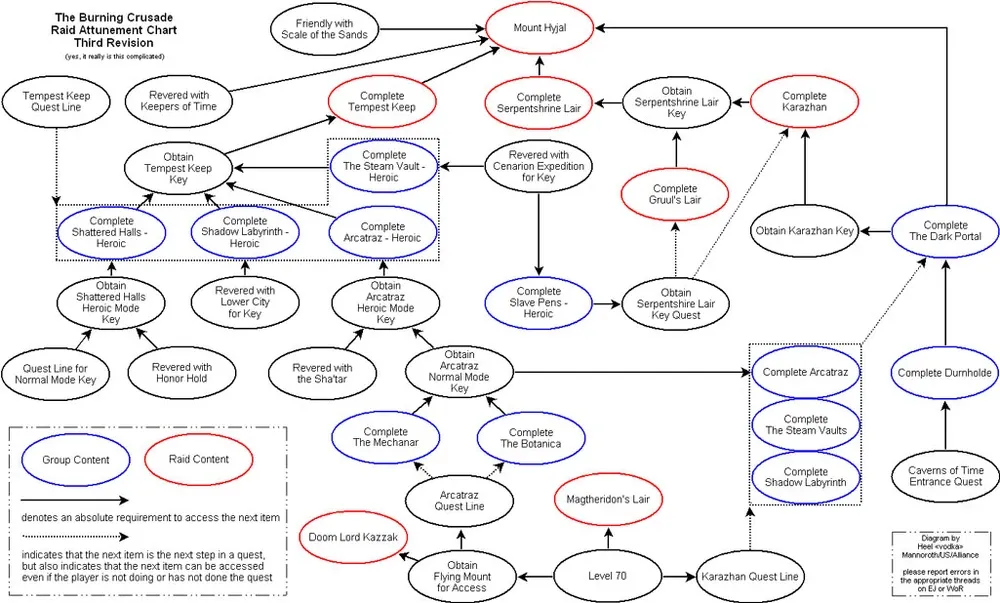
Bested, this weekend, by those challenges? Fire elementals burn you and all your friends to death? Well, you've got till next Saturday to go out and get better gear. Maybe grab a couple more fire resistance potions for good measure?
It was impenetrable. And it was fascinating. To me, it still is. But the idea of having to prepare, intentionally, for an upcoming session has only become more alien in the intervening years (barring some niche experiences). Even World of Warcraft has all but abandoned that approach. Wanna raid? Here's an automated group finder. (I used to have to make in-game friends with folks and hope to get invited to fill a suddenly empty slot in their regularly scheduled raid.)
Get in there and get out, the ethos goes. Which simply breaks the fantasy for me.
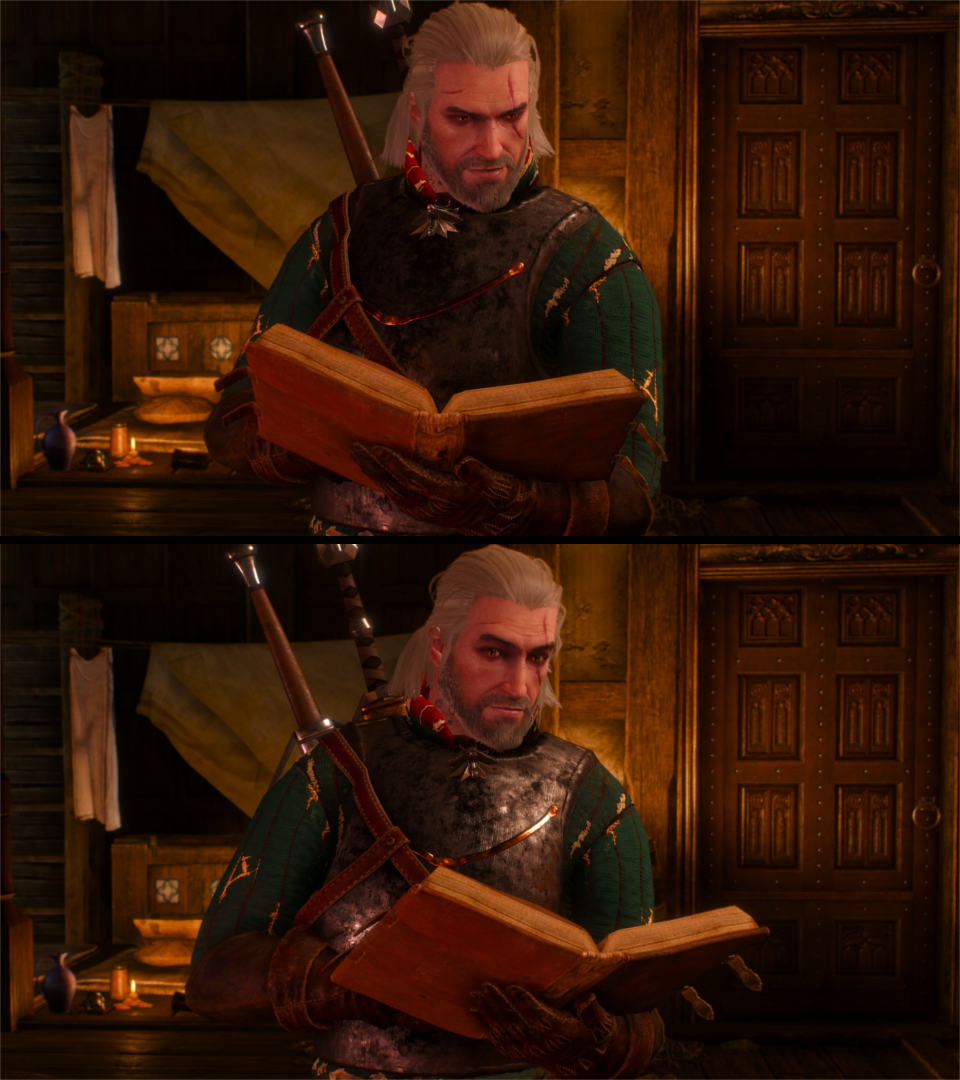
When I think about it, it's the same fantasy that compels me, though I always find it lacking, about something like The Witcher 3. Sure, you can research a monster: find a book that explains its weaknesses, then forage the right ingredients to concoct the right oils and potions to capitalize on them; but, even on harder difficulties, being a little more than capable with action-game swordplay works just as well.
Which brings me back to Marathon, a game that understands its greatest pleasures are to be found (here we go, ready?) not in the sprint, but in the distance.
See, Marathon may look like a match-based extraction shooter, but far more than Hunt: Showdown (with its narrower, more consistent gameplay loop) or even Escape from Tarkov (with its obscurantist progression system and simulationist overabundance), it's a game about using the elemental unit of the extraction match, twenty minutes at a time, to build toward a much more interesting objective: not just another run, but the run. Marathon, really, is a heist game.
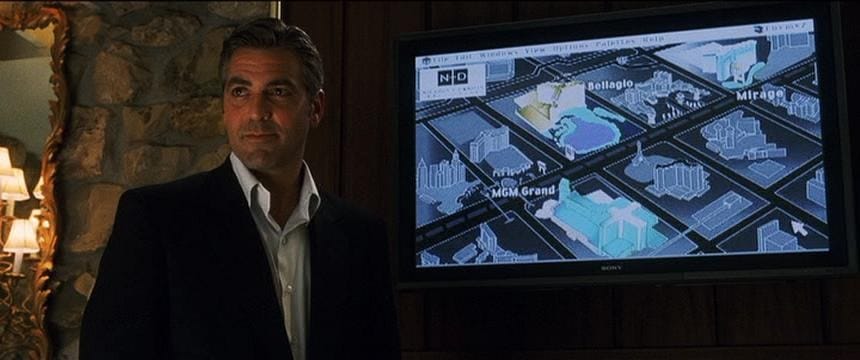
Look at your favorite heist narrative, 1960's or 2001's Ocean's Eleven, or 2002's Catch That Kid starring a young Kristen Stewart, or even, more in Marathon's orbit, William Gibson's 1984 novel Neuromancer. How much time do they spend establishing the score, the players, the stakes, the setup, the plan, the pitfalls, the betrayals, and so on? In short, the drama lies in the execution, but it's only dramatic because it pays off what's been intricately set up.
Sure, there are games like the Payday series that more straightforwardly adapt these tropes, but they nonetheless play in the moment-to-moment mode. On the contrary, by tuning Marathon's end-game raid to the upper end of what a more or less casual player like myself can comfortably afford, and by dilating the time between attempts by limiting access to weekends only, Bungie is able to make the prep not an impediment to playing the game, but its very essence.
Before entering Cryo Archive, I looked at my stockpile of rare lockbox keys and thought, why bother? I'll just go in knowing I'm outgunned, get into some scrapes with my cheap gear, maybe catch a couple lucky breaks, and steal what I can from other players. It's how I played all of these extraction games in the past.
But now, knowing that I'll always need to ante up, each key feels like a tantalizing opportunity, a piece of a bigger puzzle. One of these, in itself, could mean we're a-go for the next big run, which could mean another two or three after that, if we're lucky.
Suddenly (just as I'm sure Bungie intended with its Gibson-esque revitalization of the game's universe), I feel like strung-out netrunner Case or rampant razorgirl Molly Millions gearing up for the climactic score at the orbital Villa Straylight—their desperate dance across virtual, physical, and metaphysical planes—the run to end all runs, which, as far as genre tropes go, bore them all.
More than practically any other game about cyberpunk "runners," Marathon successfully returns to this ur-text of cyberpunk heist fiction by forcing real stakes on its players in the form of their most precious commodity: their own time.
It's abrasive and it's brilliant. Friction at its best.

Cyberpunk 2077 opens with its own heist gone bad. It's exciting stuff, a nice story, but it isn't a real risk. Everything is supposed to happen. I'm an "edgerunner" in that game, sure, but I know I'm really just exploring a world at my own pace and experiencing a compelling interactive story.
But as a "runner" in Marathon? That's my stuff on the line. My loot to score or to serve on a silver platter to some bastard who gets the better of me. The tension is real because the time is mine. And yet, I'm eager to come crawling back.
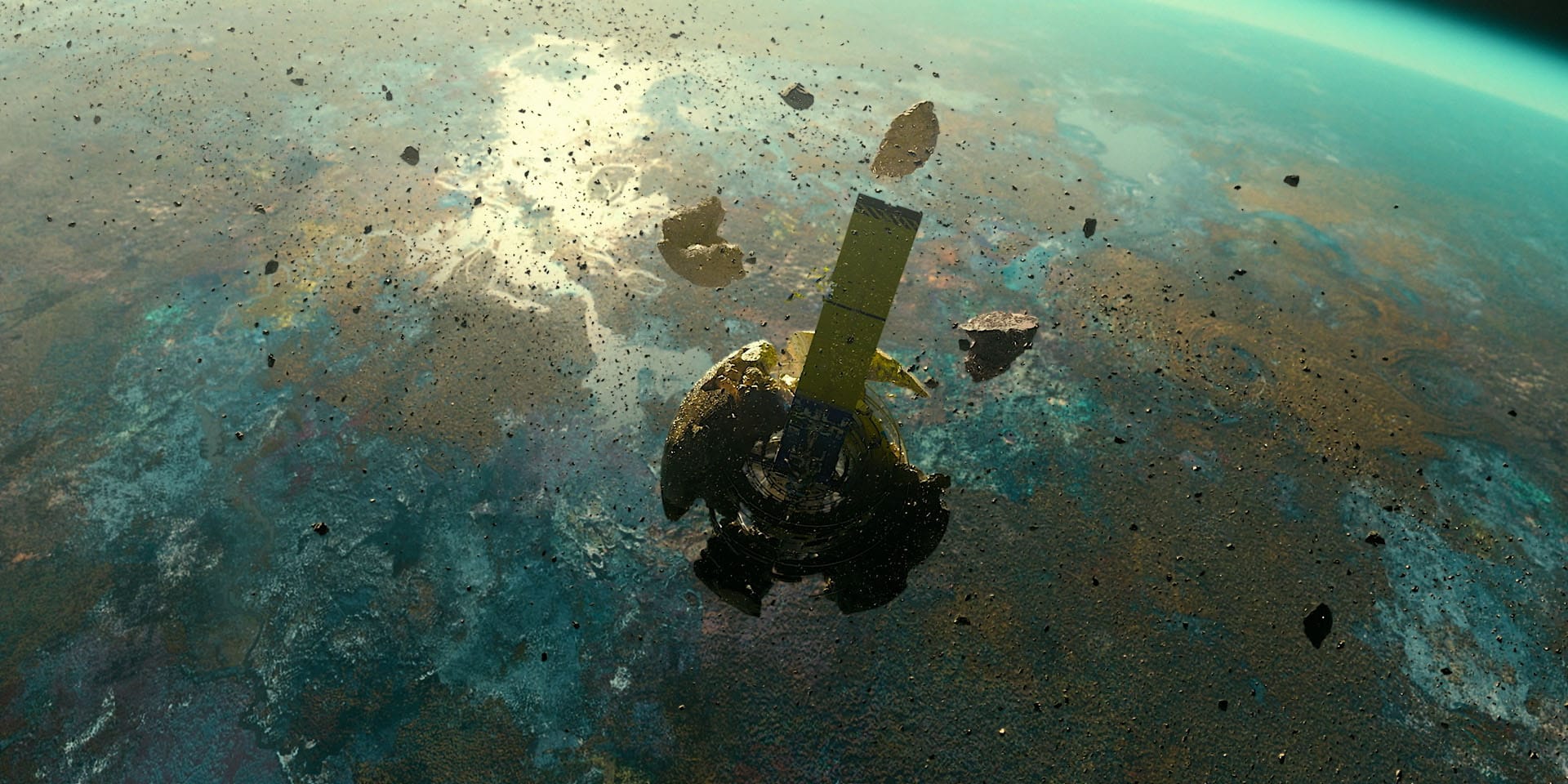
There's a sword of Damocles hanging over Tau Ceti IV, and I'm not talking about the UESC Marathon itself. (Although I don't doubt that that's an absolutely intentional visual pun the developers are making as regards their own corporatized fate.) It remains to be seen how well the novelty of this particular grind, stretched out longer than others, stays fresh, especially as the game's first season wraps. I sincerely hope there's a lot of time left.
But right now, I got this friend of mine who knows where to cop some serious firepower in Perimeter. And he knows a guy who knows a few things about the security monitors up in Cryo Archive. Yeah, the one's we've been trying to find. So, all I'm asking is, are you in?
Good. Next Saturday. Be ready. This is the run.
POF