"Friendslop," or, I Guess, the Cultural Logic of Slapstick Capitalism

Inspired by recent discussions on Remap Radio and across the internet, as well as by my own recent time spent playing games, I wanted toss around some thoughts about friendslop.
"Friendslop" is a buzzy word describing certain games you play with friends. The best way to recognize friendslop is that it's the kind of game your friend DMs you about on Discord saying, "come on, it's only five bucks, and everyone else is already on board." (Reader, I admit to usually being that friend.)
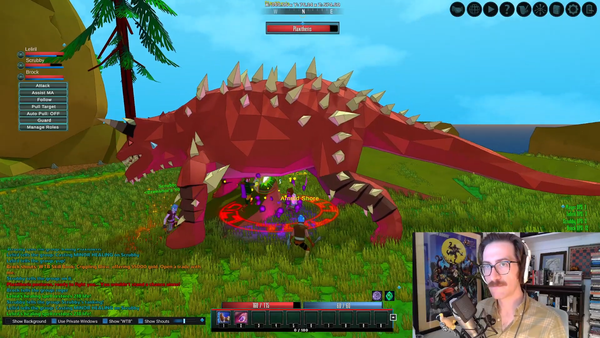
Friendslop tends to be cheap. It tends to be best played multiplayer. It tends to have a lo-fi aesthetic that's either deliciously cute (see Peak, above) or utilitarian to the point of seeming, maybe being, composed entirely out of pre-made 3D assets, purchased by the developers in bulk (see Supermarket Together, below).
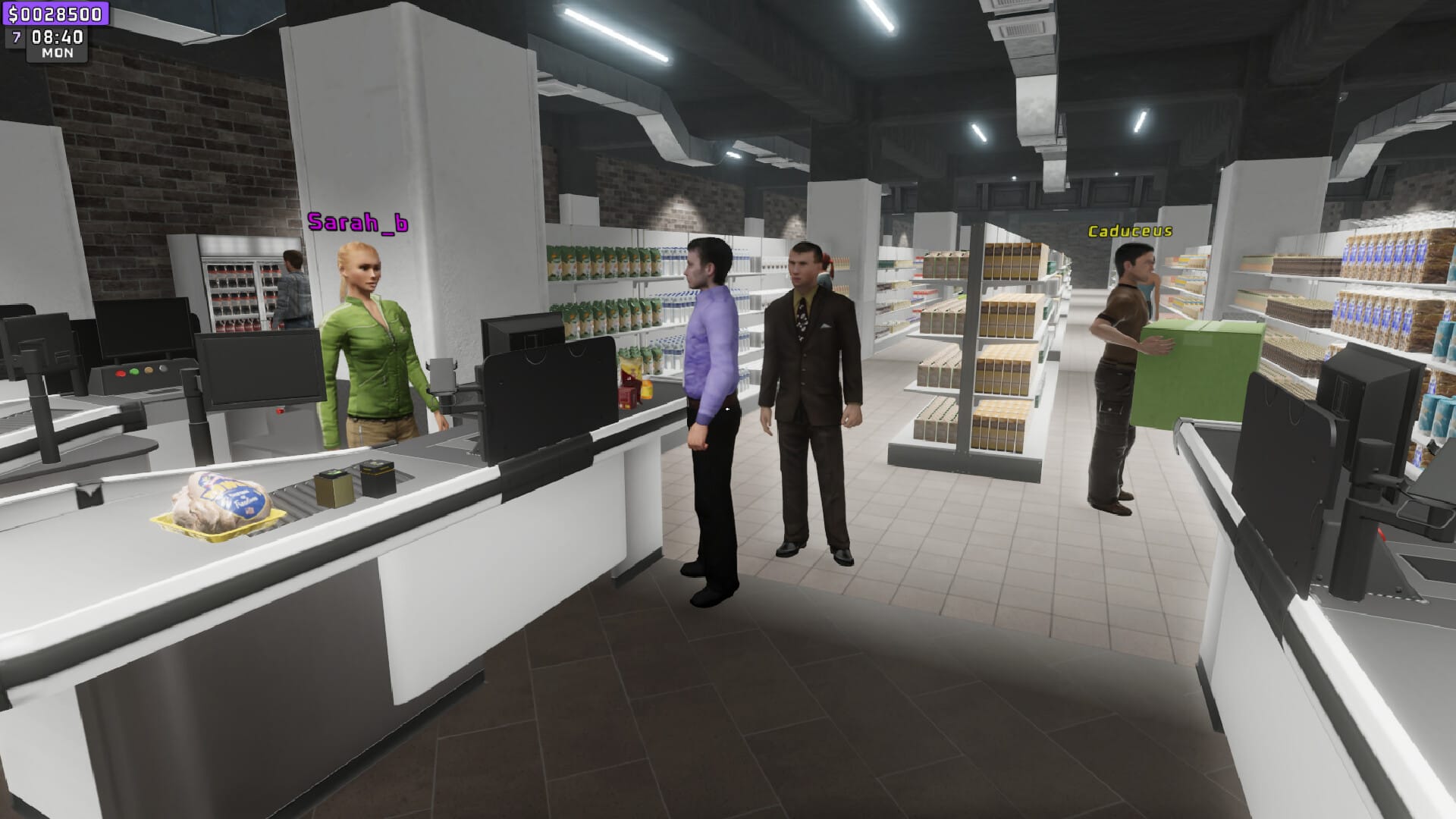
Also like Supermarket Together, many examples are in point of fact bald-faced ripoffs of other, more popular and most often slightly more expensive, games (see Supermarket Simulator, which I promise is a different game, below). It can be impossible, in many cases, even to tell what game, among the many clones, started the microtrend it embodies.
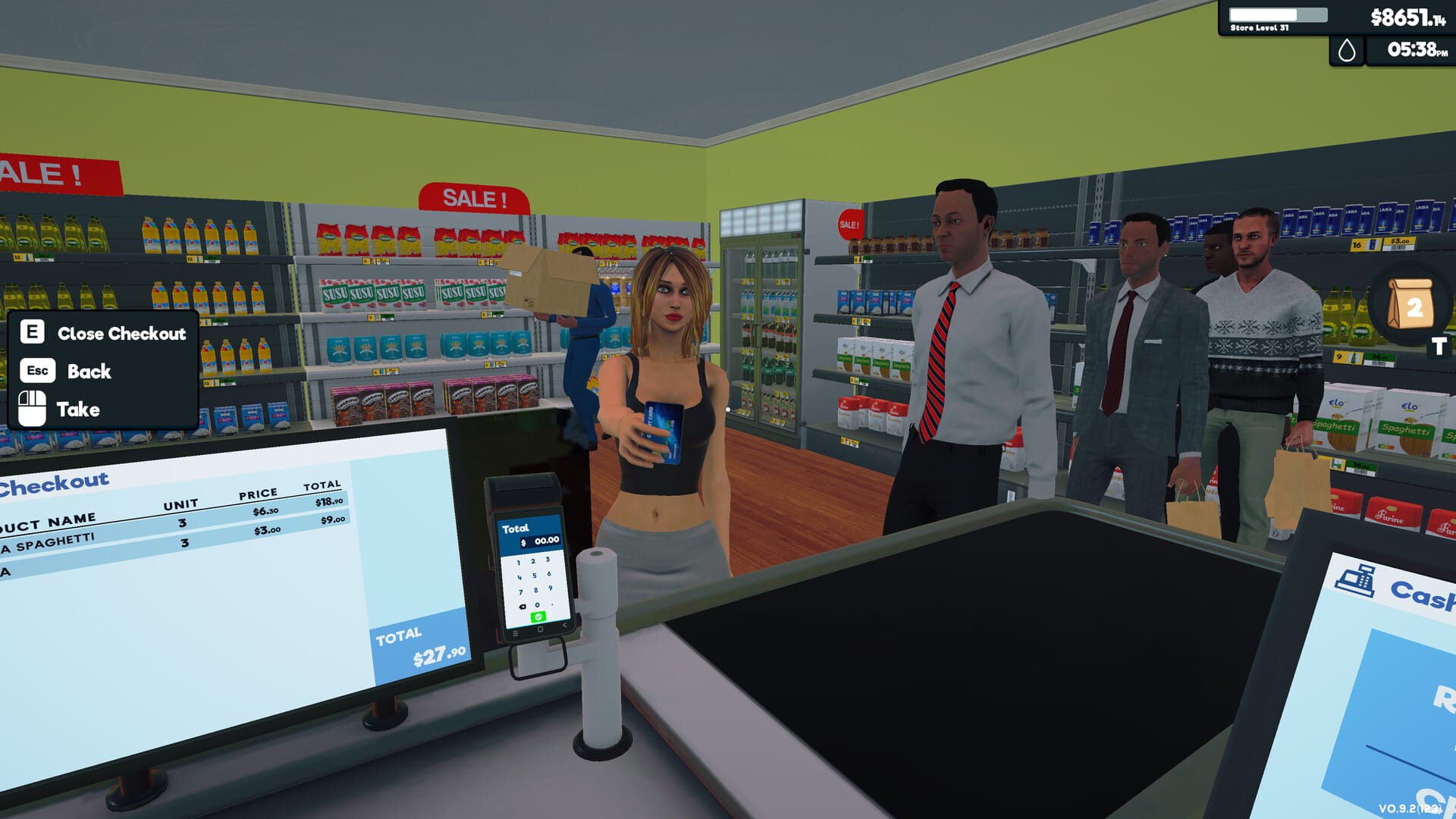
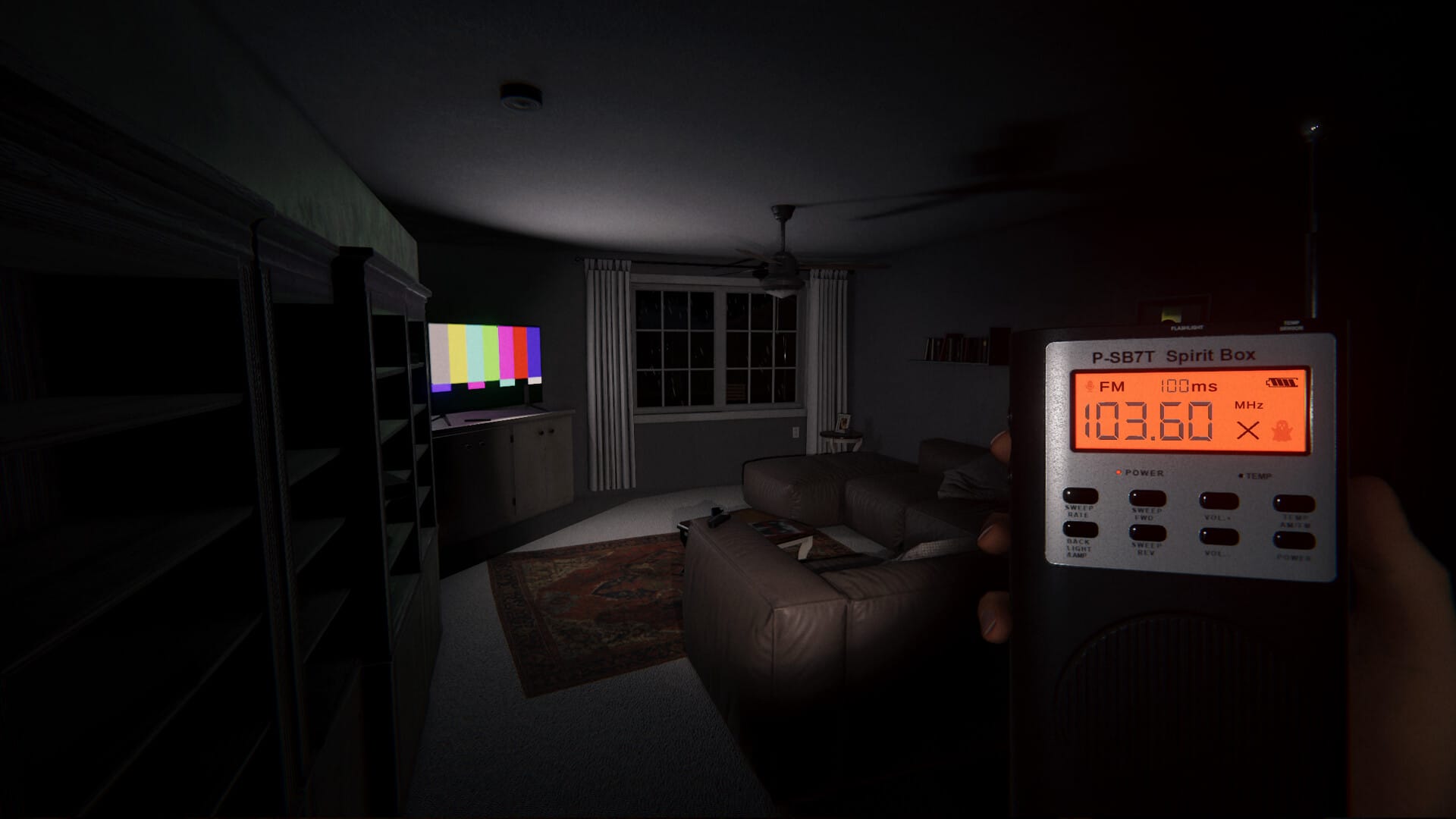
Thus, friendslop is slop in several senses, many of which relate to other contemporary uses of the word. Like "AI slop," friendslop has a reputation for being ubiquitous to the point of being obnoxious. Look through the new releases on the monopolistic computer gaming marketplace Steam, and you'll find dozens of extremely similar games about supermarkets, climbing mountains, hunting ghosts, or crawling through dark buildings avoiding monsters. And that's not even counting whatever's going on in the dark depths of the Roblox ripoff ecosystem, as Aggro Crab, the developers of Peak, were keen to point out:
tbh would rather you pirate our game than play this microtransaction-riddled @Roblox slop ripoff pic.twitter.com/ulRShLLGz2
— AGGRO CRAB 💥 (@AggroCrabGames) August 4, 2025
Of course, making games, as the adage goes, is hard. Which is to say that even the sloppiest of friendslop—even those games rife with AI-generated assets or suffering from netcode that barely affords multiplayer—even those clearly developed as a minimum viable product in pale imitation of a given flavor of the month—are products of someone's labor.
So maybe it's not surprising that, whether or not it counts as a formalized genre, and despite its pejorative connotation, the term is already being used by developers to describe their own projects. I mean, hey, if people are googling "friendslop" hoping to find new games like the games they already like which they already call "friendslop," wouldn't you want your game to show up?
Still, beyond search-engine optimization, I think there's value in thinking about form and genre even when the denominations are, let's be honest, pretty bad. (Thank the heavens, friendslop, that you've still got one up on "Metroidvania," or worse, "Metroidbrainia." Just distasteful.)
Surely there's something to be said for social-forward, small-group gaming experiences, built on a foundation of robust, worldly physicality—think misplacing your feet in Peak, or dropping a heavy and fragile sculpture in R.E.P.O., or attracting a ghost by accidentally closing a door too loudly in Phasmophobia—and, maybe of the utmost importance, proximity voice chat that responds more or less naturally to environmental context, echoing in caves or crackling over a radio.
All of which contributes to a decidedly slapstick kind of comedy that dovetails nicely, I think, with the tongue-in-cheek appellation. It's friendslop, maybe, because playing it with your friends is kind of a sloppy, slippery, slapdash experience. Like a Marx Brother or a Stooge or the Tramp, you find the world, or your "friends," are always out to foil you—in the best of cases, in a heightened, comically catastrophic, even vaudevillian fashion.
In other words, these are the same gif:


That said, the part of my brain that thinks of things in terms of "late capitalism" and its "cultural logics" can't help but read an additional meaning into the "sloppiness" of friendslop. Namely, that slop, slush, flow, immersion, and all other sorts of sopping wet varieties of un-differentiation cohere into a certain sodden ground for all sorts of contemporary aesthetics.
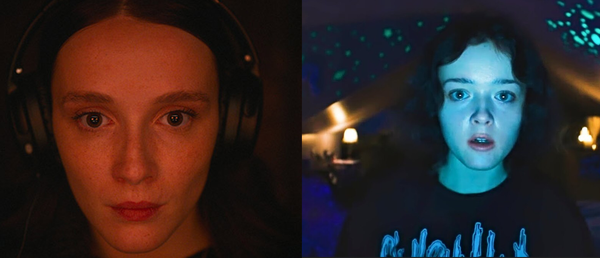
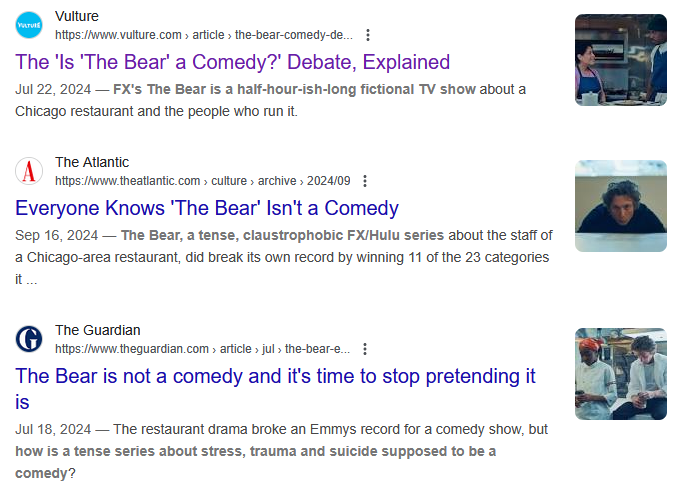
I'm thinking here of Anna Kornbluh's 2024 monograph Immediacy, or The Style of Too Late Capitalism, which has clearly proven to be an animating text at the intersection of contemporary literary and media studies. Citing, for instance, the formal breakdown of the distinctions between televised half-hour comedies and hour-long dramas that has given rise to the (often critically acclaimed) "dramedy" (see below), Kornbluh diagnoses everything from autofiction to endless algorithmic feeds (which have only gotten worse) as symptomatic of an exploitative interest on the part of corporations and governments in isolating individuals from collective thinking and genuine solidarity.
As Kornbluh argues, when identification with a medium—that is, with content, as the word is used today—becomes totalizing, the sense of separation which is the essence of mediation disappears. Comedy or drama, like or dislike, art or trash, what matters to the platform (digital or otherwise) is your engagement and the data they can harvest from it. The immediate, very much to the taste of countless "users" today, is instantaneous, stress-free, and hypnotic.
What makes (to return to the subject of Kornbluh's earlier work and her abiding scholarly interest) the social realist novel capable of achieving social effects its precisely its formally and generically mediated status as a novel. On the contrary, as Kornbluh puts it:
Anti-mediation coalesces the literary field at present into a dominant style—one that converges hitherto-distinct genres of theory, fiction, memoir, the essay, and informal personal expression in a ubiquitous polyvalent writing. In the liquid emulsion of these modes, in their propensity for indistinct blur, in their churning flow, glides the writerly guise of propulsive circulation: frictionless uptake, fluid exchange, pouring directness, jet speed. Slick with this style, we may fail to read how the “auto” of autofiction inscribes the self-manifestive quality common to the governmental ideology of human capital, how the engulfing formlessness of genre melt ferries less the genius of authors than the flooded ruins of institutions like the university or the publishing house, how the defigurative realness of unadorned charismatic persons suffering execrably presages the dystopia already here. Immediacy as literary style holds incredible lure, but it sticks too close. In resigning the potential of writing to estrange, abstract, and mediate; in castigating the capacity of writing to collectivize and convoke; in deflating the power of writing to fabricate more than the immediately tangible detritus of evacuated sociality, immediacy writing collapses into self-identical emission: “This!
To some extent, I think the undifferentiated, "immediate" qualities of friendslop manifest in their "frictionless" commercial strategies ("it's on sale for three bucks, dude!"), their "indistinct" aesthetic stylings (playing as blobby robot muppets or mannequin-like homunculi, with occasional hats), their "formless" orientations toward goals (do well or do poorly, the journey always ends the same and the point is always the silliness), and their "self-manifestive" or "self-identical" socialities (you play with your friends and most often only with your friends, or else you "play" by watching a streamer play with their friends), to say nothing of their inherently "immersive" aforementioned worldliness.
And yet, I don't exactly despair in this situation, even if I do share some of Kornbluh's skepticism (or cynicism). In friendslop's case, the very self-deprecating aspect of the term, especially when it's employed intentionally by a game's developers, seems to point towards, if not an outright acknowledgement, then at least a tacit understanding of the outward artlessness of its own laborious enterprise—which may, and here's but a sketch of a hypothesis, yet emphasize a formal quality all its own.
Absent ties to predatory monetization schemes, it may even be the case that the relatively quick turnaround time of new games, new maps, and new mechanics afforded by the genre's proclivity for low-fidelity assets and tight gameplay loops actually makes for a far more sustainable model for addressing players' (usually totally unreasonable) expectations for endless live-service content updates.
It sounds mean to call these games "slop" because it implies that the only there there is the fun you make by playing with your friends (or, again, watching other people play with theirs). But in foregrounding immediacy and at the same time calling it out so discordantly, this term convinces me that there's more mediation at play than not.
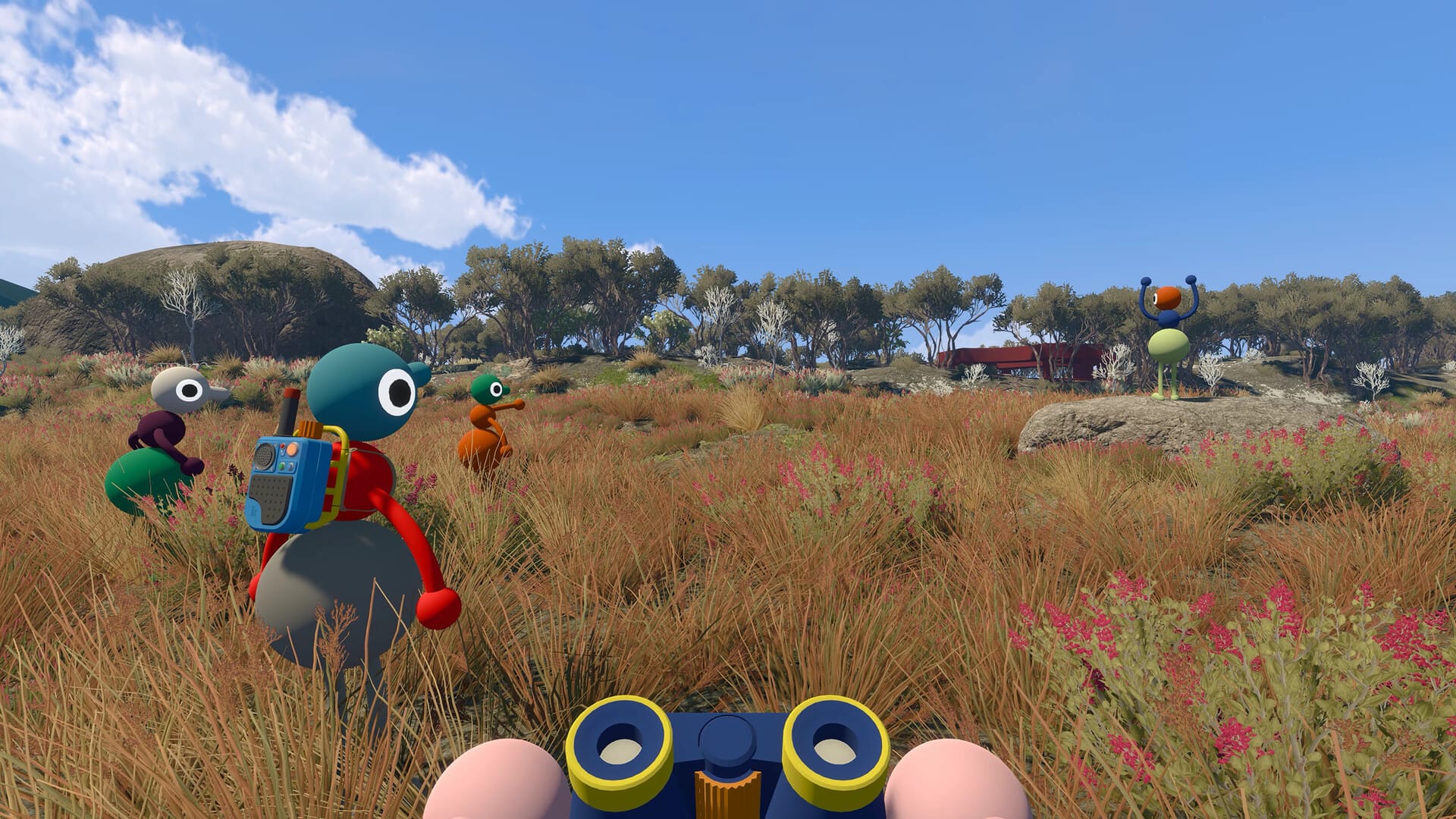
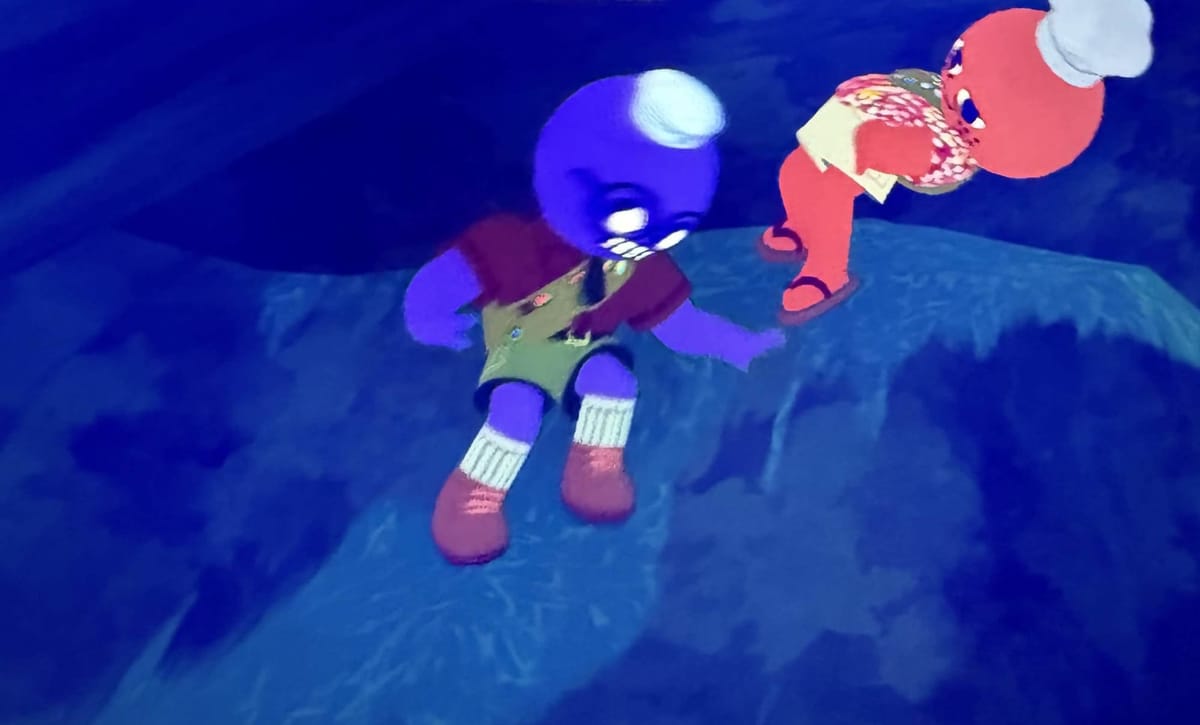
I'll end by saying that I'm most excited for House House's Big Walk, which sort of looks like the friendslop of artgames, and which, for that very reason, I'm sure will inspire a simply magical critical discourse, amidst which I'll DM my friends to say, "hey, I think we'd like this one."
POF